

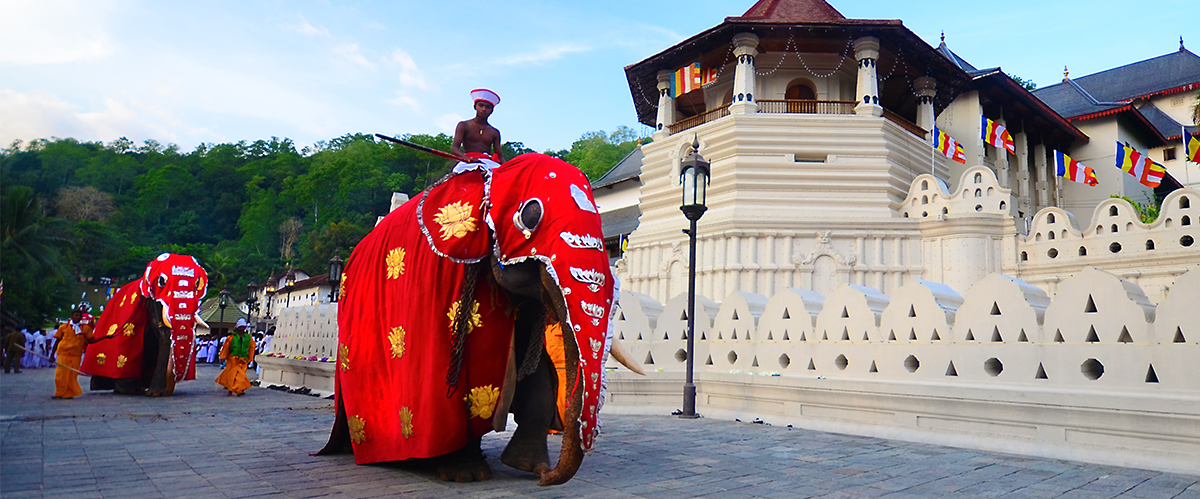
Kandy is the most sacred shrine of Buddhism. The temple of the Tooth is the prime monument, the supreme structure not only of the Sinhalese Buddhist public of Sri Lanka but also of the Buddhists all over the world. It is within this glorious temple that sacred Tooth relic of Buddha (Danta Dhatu), the palladium of the Sinhalese nation & Buddhist faith is enshrined.

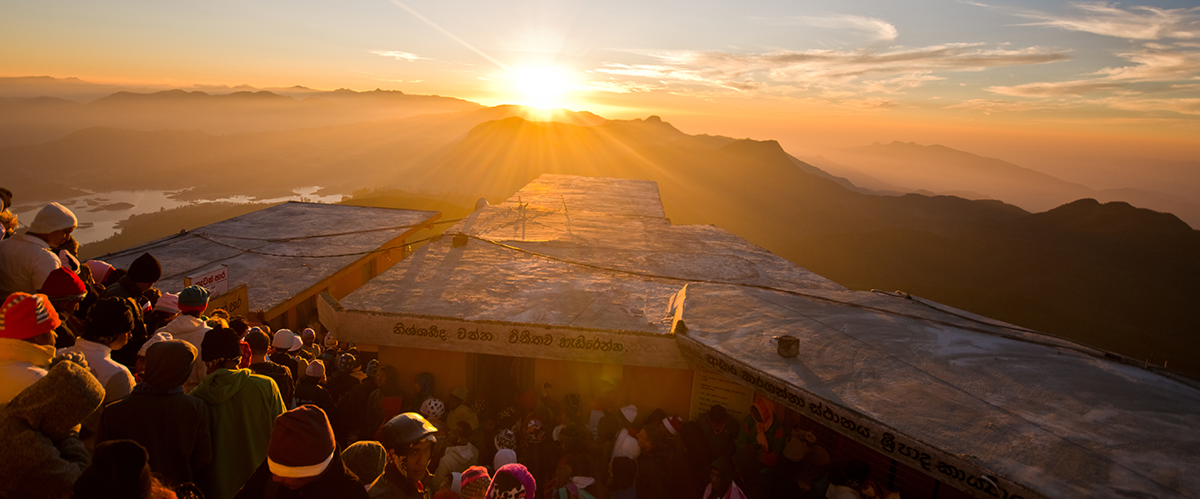



The right branch of the Bodhi tree in Bodh Gaya in India under which the Buddha attained enlightenment was brought to Sri Lanka in the 3rd century BC by princess Sanghamitta, the daughter of Emperor Asoka. It was planted in Anuradhapura and is venerated to this day by the Buddhists from many countries of the world. This is the oldest recorded tree in the world whose exact age is known.
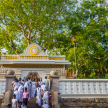
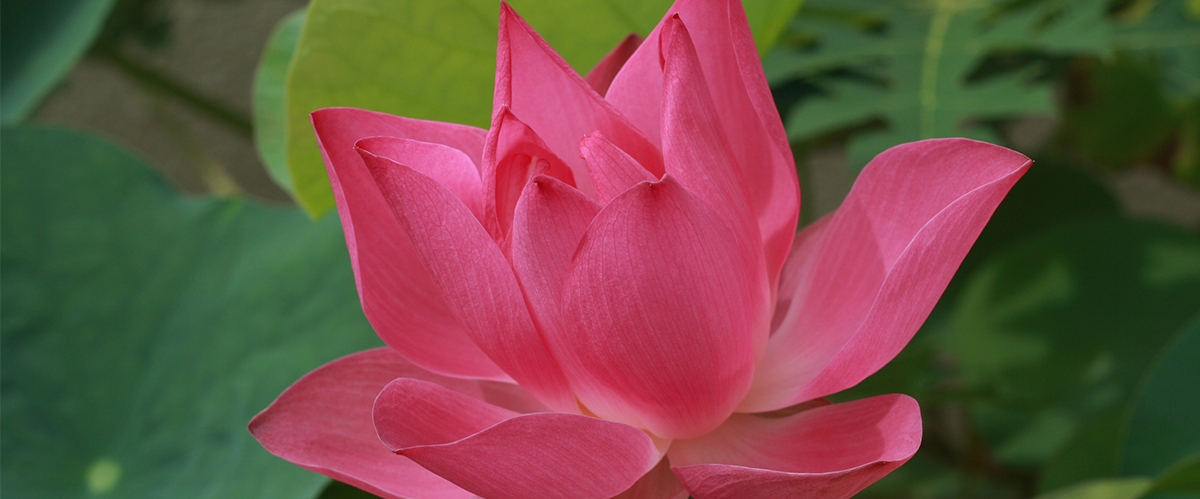
Ruwanveli Dagoba built by King Dutugemunu who ruled the country in the 2nd century BC is a huge dagoba measuring 103 meters in height with a circumference of 287 meters.
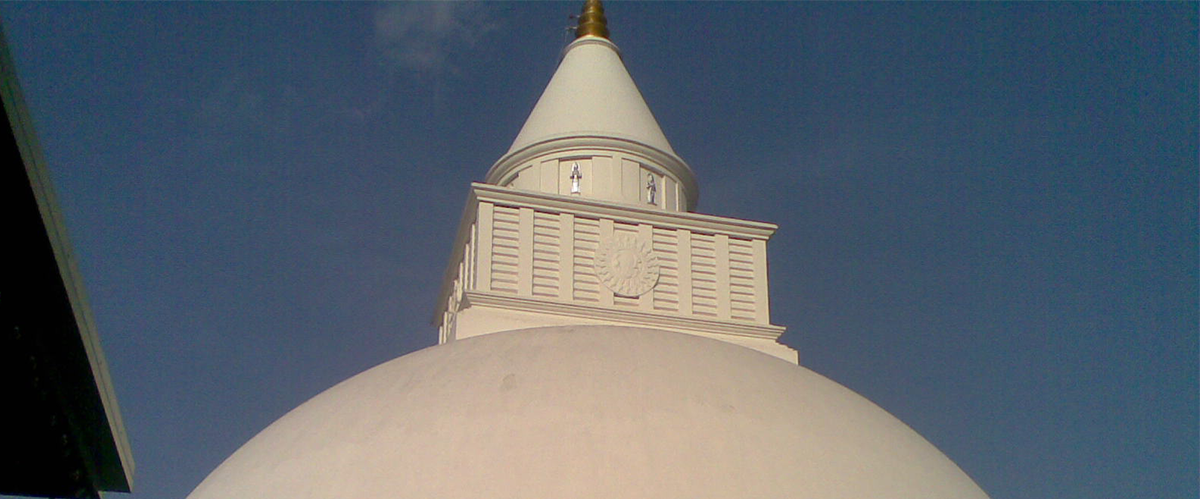
According to the history ‘Ruhunu Kataragama Maha Devalaya’ is believed to have been built by king Dutugemunu around 160 B.C. This was in fulfillment of a vow to defeat his rival king Elara in a battle. Large extents of lands were endowed by king Dutugemunu for its maintenance, and subsequent monarchs offered likewise.
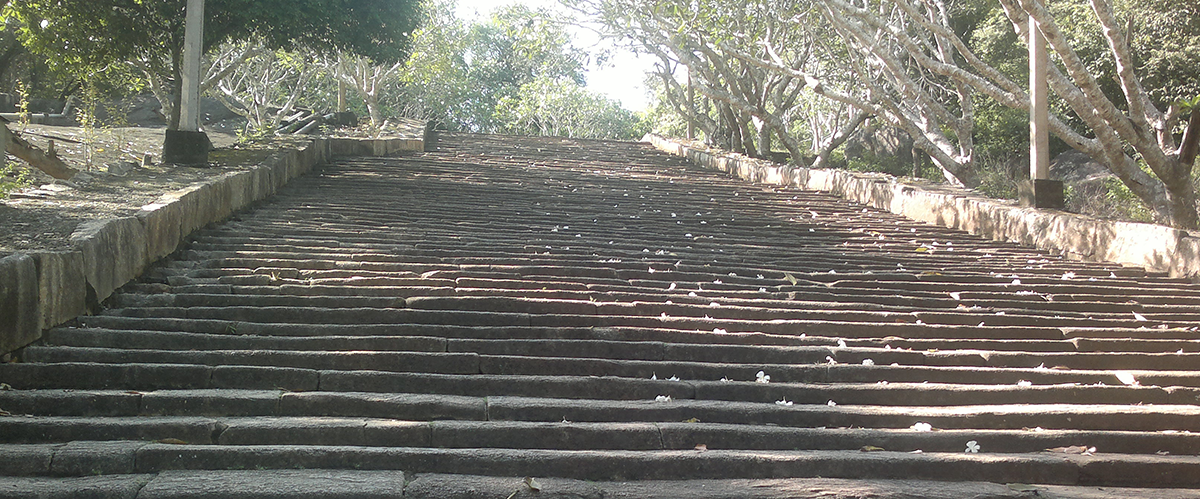

Thirteen kilometers from Anuradhapura is the sacred mountain of Mihintale, the site of introduction of Buddhism to Sri Lanka in the year 247 BC. World's first fauna and flora sanctuary was established at Mihintale in the 3rd century BC. Today the peak of Mihintale, approached by a grand stairway of 1840 granite steps, has many temples, lodgings for monks and several splendid statues of the Buddha. Each June on the full moon there is a pilgrimage commemorating the date when Mahinda first preached the Buddhist doctrine in Sri Lanka and many thousands of pilgrims flock from all over Sri Lanka to meditate on the holy peak.

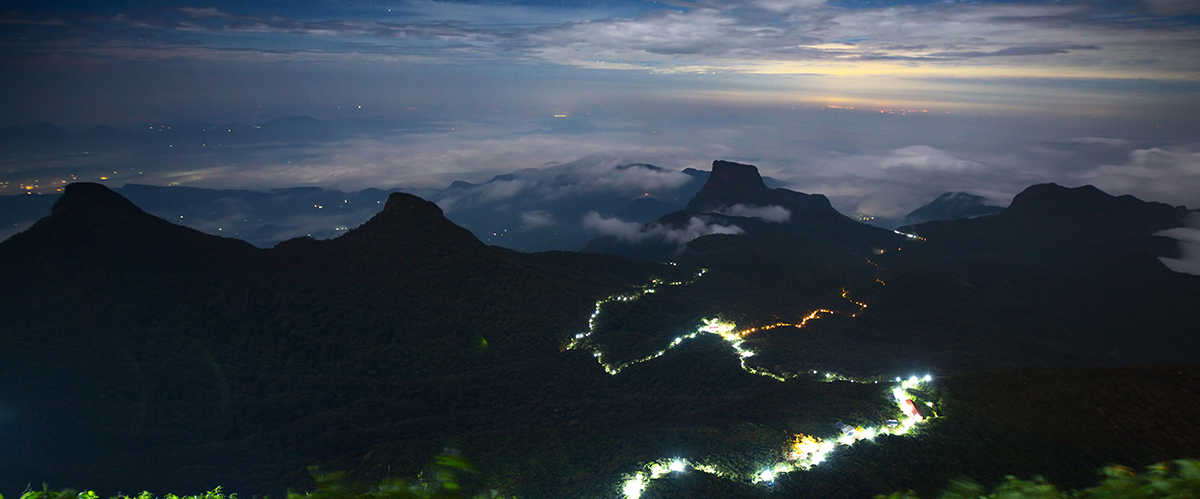
LITTLE ADAM'S PEAK is 1,141 meters high pyramidal rock in southeast part of Sri Lanka's highlands. It is named after famous holly mountain Adam's Peak, because of the similar shape. Climbing to the top of its little brother is much easier and quiet. On the given coordinates, you can find beautiful view to the endless valley, tea plants or waterfalls.
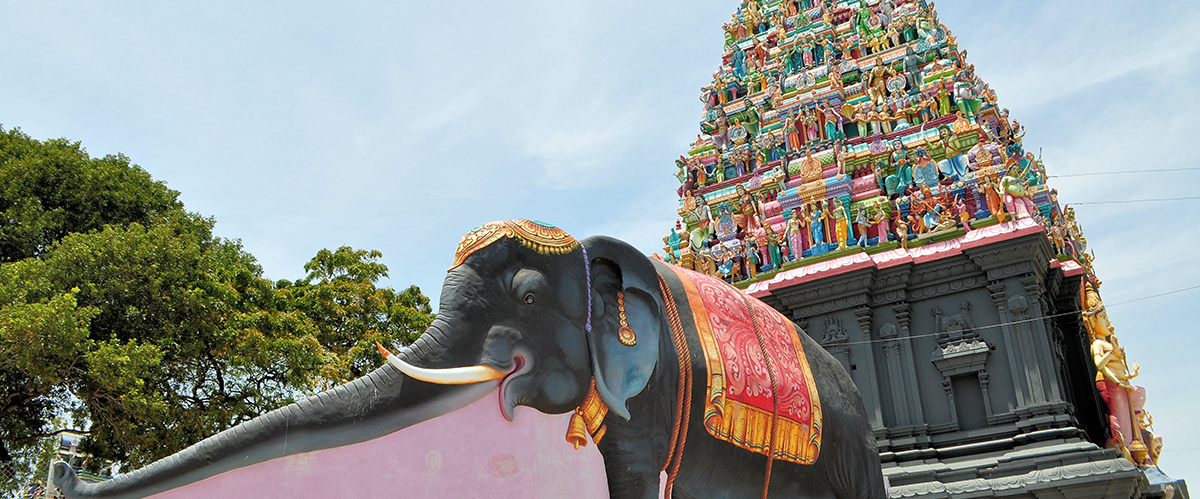
Among the various monuments of Hindu antiquity found in Sri Lanka, the Thirukoneswaram Hindu temple in Trincomalee is one of the three principal places of worship dedicated to God Siva. The Koneswaram temple as it is commonly known, a sacred place of Hindu worship of the ancient past, would have remained in its original form up to the present day, had it not been destroyed in the 17th century by the Portuguese, who called it the Temple of a Thousand Columns. As the legendary story goes, a Portuguese soldier once entered the shrine room and defiled it by his presence as he was under the influence of alcohol. The wrath of God having fallen on the man for his unholy behaviour in disrespecting the holy place has fallen accidentally into the sea below and drowned.
A Portuguese historian not only describes the exact location of the temple but goes further by describing it as the "Rome of the Orient more frequented by pilgrims than Rameshwaram or Jeganath in Orissa".


The Kalutara Bodiya which is venerated by all Buddhists in this country and specially the ones that travel to and from the South, compels every one of them to stop over at the Sacred Shrine to pay their respects by way of worshipping and offerings. The giant Dagoba and Bo-Tree that has spread out and stands up to a height that is visible from a vast distance as one approaches the Shrine from Colombo, The Bo-Tree is believed to be a sapling of the Sacred Sri Maha Bodhiya of Anuradhapura.

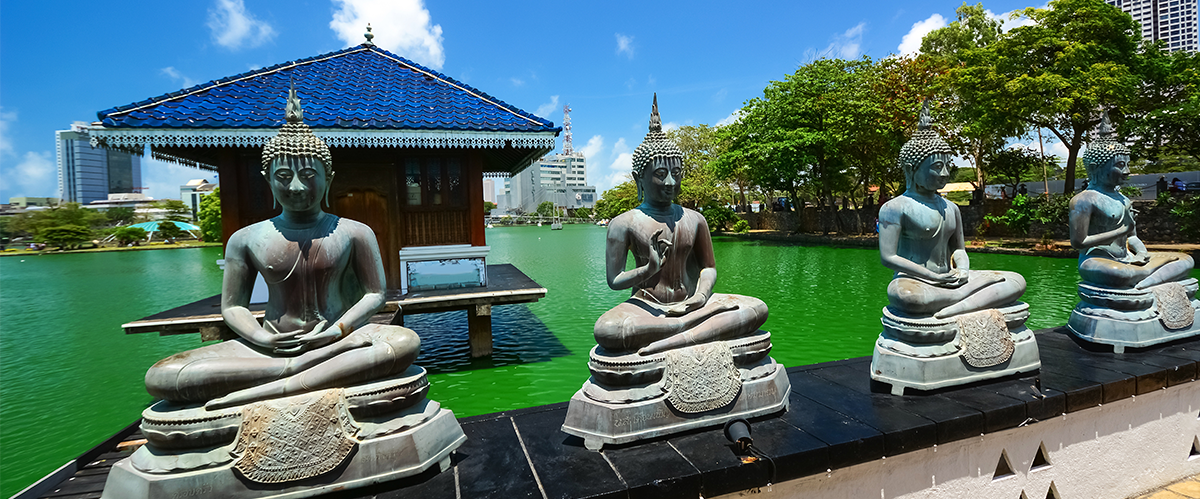
What was once a swamp adjoining the famous Beira Lake, a landmark in the capital city, is today a vibrant complex comprising the Gangaramaya temple, the ‘seema malaka’ – an assembly hall for monks - in the picturesque Beira Lake and a vocational training institute. The temple has been in existence for over 120 years having being established by one of the most famous scholar monks, Venerable Hikkaduwe Sri Sumanagala Nayaka Thera, founder of the Vidyodaya Pirivena, originally an institute of oriental learning for monks, now a State University – Sri Jayewardenapura University.


DAMBULLA ROCK TEMPLE was built by King Walagambahu in the 1st century BC. And is a World heritage site. It is the most impressive of Sri Lanka’s cave temples. The complex f five caves with over 2000 sq. meters of painted walls and ceilings, is the largest area of paintings found in the world. It contains over 150 images of the Buddha of which the largest is the colossal figure of the Buddha out of rock and spanning 14 meters.


Copyright @ 2014 DelairTravels(Pvt) Ltd.
All Rights Reserved

