
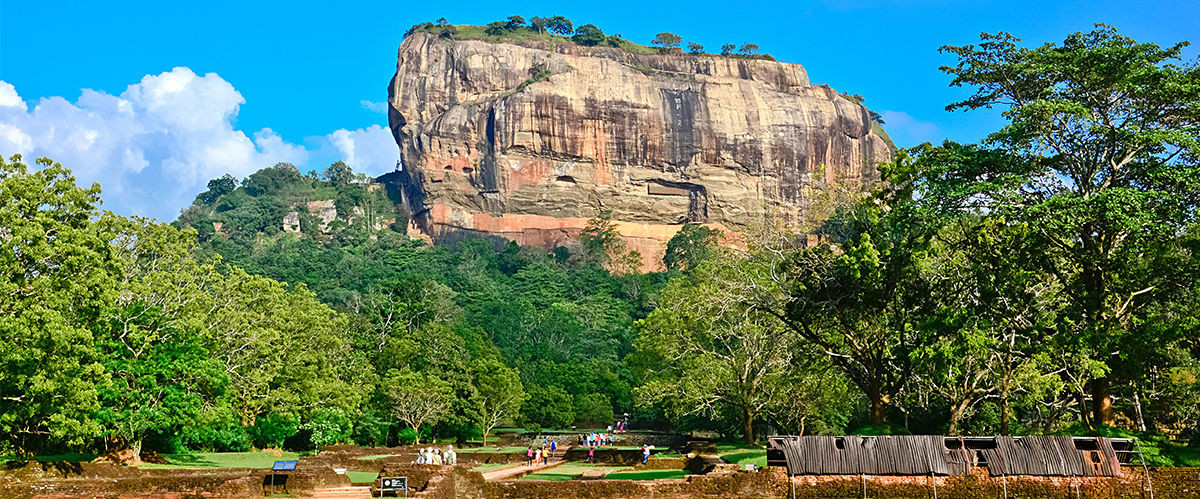
The ancient city of Sigiriya was designated a cultural World Heritage Site in 1982. It is also proposed that the site should be named the eighth wonder of the world, indicating it is in the same league as other international wonders such as the Grand Canyon and Ancient Pyramids. Translated as ‘Lion Rock' into English, the name of the monument indicates the way in which visitors used to begin their final ascent to the top – through the open jaws and throat (‘giriya') of a lion (‘sinha'). Unfortunately, the only remains of this lion figure are the gigantic paws, sculpted into the side of the rock. The topography of the area is flat except for the massive rock outcrop of the fortress itself (which rises an incredible 600 ft up from the green scrub jungle). The unusual rock is particularly interesting due to its flat top (nearly 8 acres in size), that was used in its entirety to build King Kasyapa's fortress complex, still evident by the presence of the extensive ruins.
Climb the 5th century rock fortress which is a world heritage site built by king Kashyapa (477-495 AD). The Lion Rock is a citadel of unusual beauty rising 200 meters from the scrub jungle. The rock was the innermost stronghold of the 70 hectare fortified town. A moat, Rampart and extensive gardens including the renowned water gardens ring the base of the rock. Visit the world renowned frescoes of the ‘Heavenly Maidens’ of Sigiriya, which are in a sheltered pocket of the rock approached by a spiral stairway. These frescoes are painted in earth pigments on plaster.
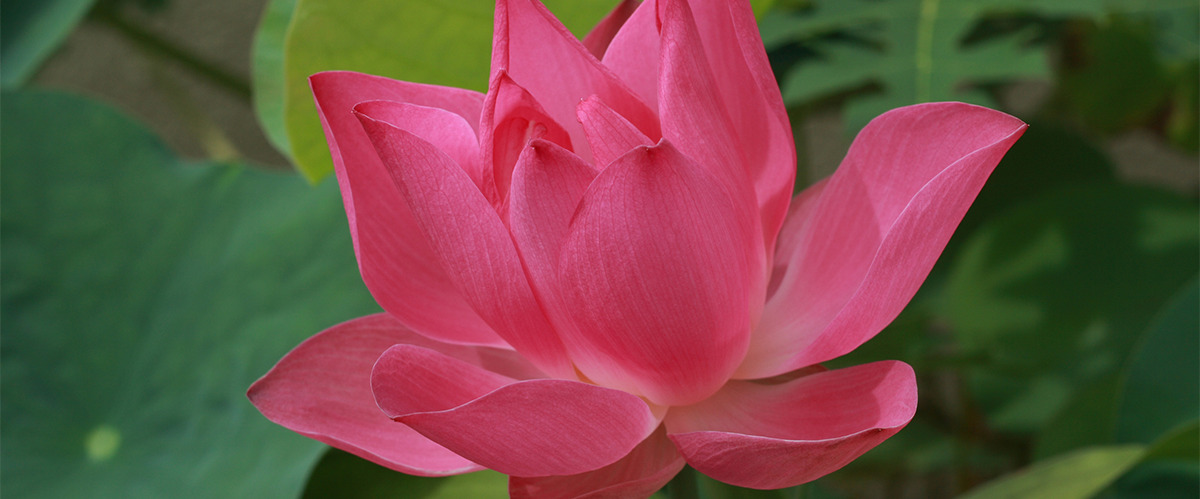
The Ritigala Buddhist Monastery located deep inside the Ritigala Strict Nature Reserve, just off the Anuradhapura-Habarana road, and is the partially excavated ruins of an extensive Buddhist Monastery. It was abandoned following invasions in 10th and 11th centuries and today holds special appeal with its inquisitive blend of mild-safari and archaeology. Walking around the beautiful ruins does certainly give you a feeling of adventures in search of mythical pasts; it is easy to imagine yourself as Indiana Jones whilst clambering over the overgrown relics of a forgotten time.

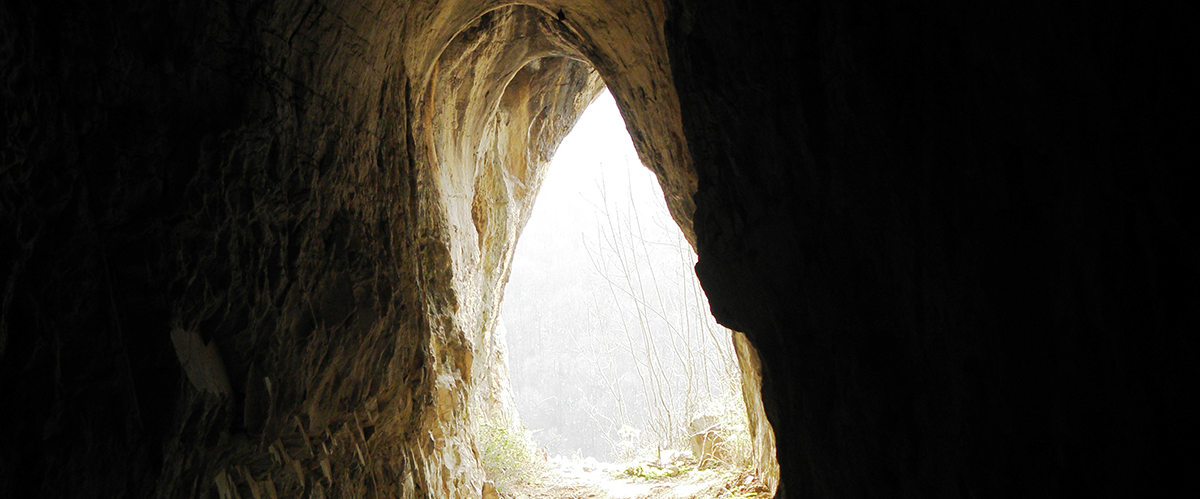
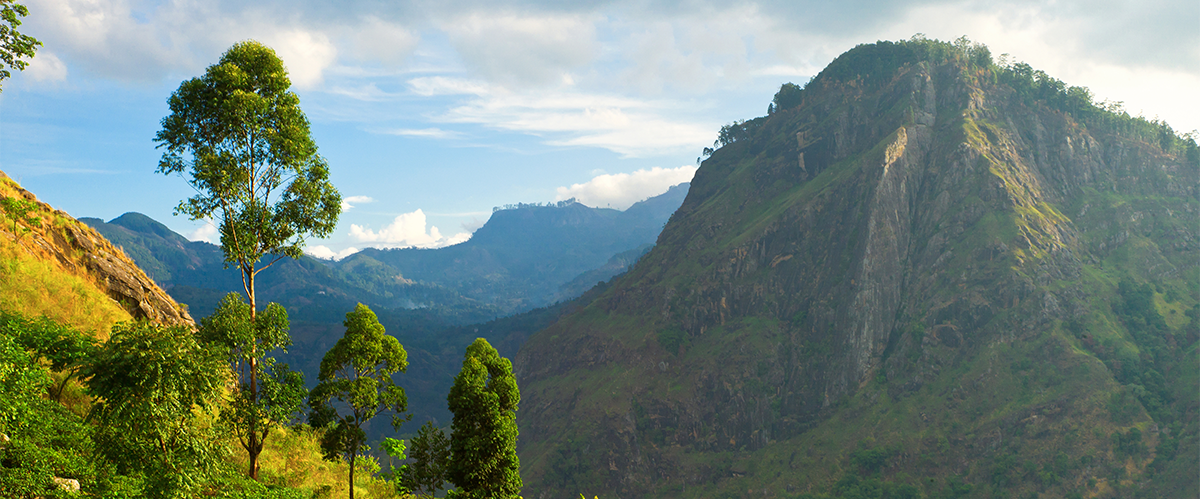
RAVANA ELLA & CAVE Situated in the massive Ella rock, the ‘Ravana’ is a beautiful wide waterfall which is ranked amongst the widest in the world. Spanning a width or approx ….feet the Ravana falls has become a spot of legendary importance because of its connection to the epic ‘Ramayana’. There is a cave associated with Ravana, the demon King of Lanka who imprisoned Rama’s wife Seeta as related in the Hindu epic. Excavations here have revealed some human skeletons belonging to Balangoda man (Homo Sapiens Balangodensis) and tools dating from 8000 – 2500 B.C

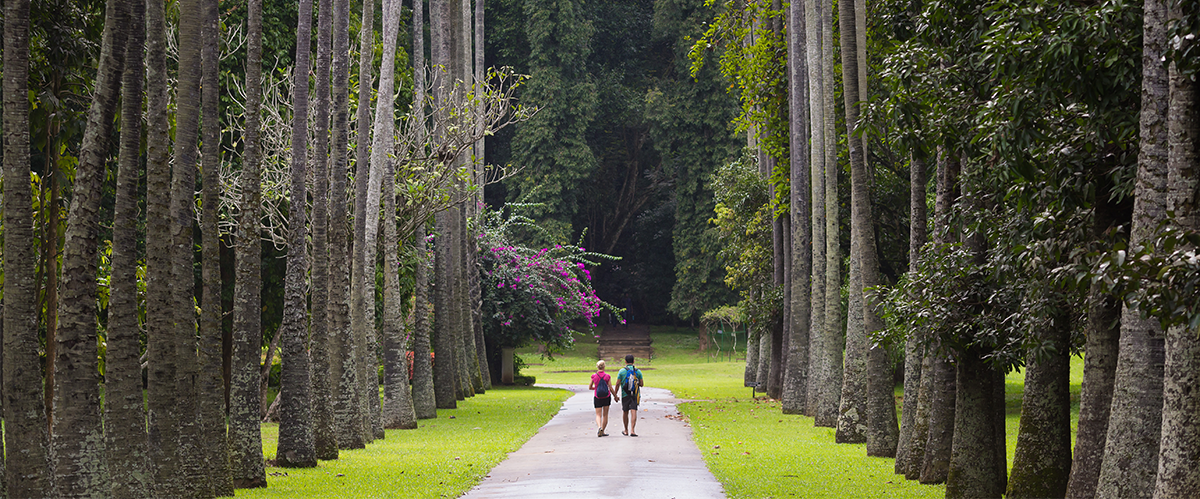
LANKATHILAKE VIHARA completed in 1344, but in a more traditional Sinhalese style. Situated on a top of a gray rock above the fertile highland green, it justifies its name: "the beauty spot on Lanka's brow." The shrine contains an ancient Buddha image of brick and plaster, plus devalas to the four guardian deities of the island, each with his consort. A Pali language rock inscription at the site records the valuable gifts to craftsmen who toiled on the temple. Woodcarvers still work at the foot of the rock on which the temple stands. This is a Magnificent building shining in white against the blue sky in the background. Being a brick building in three stories, it has a peculiar architectural design.Amidst the painted doors of wood and frescoes still bright with their original paint on walls and ceilings in the shrine room is found a superb seated image of the Buddha.
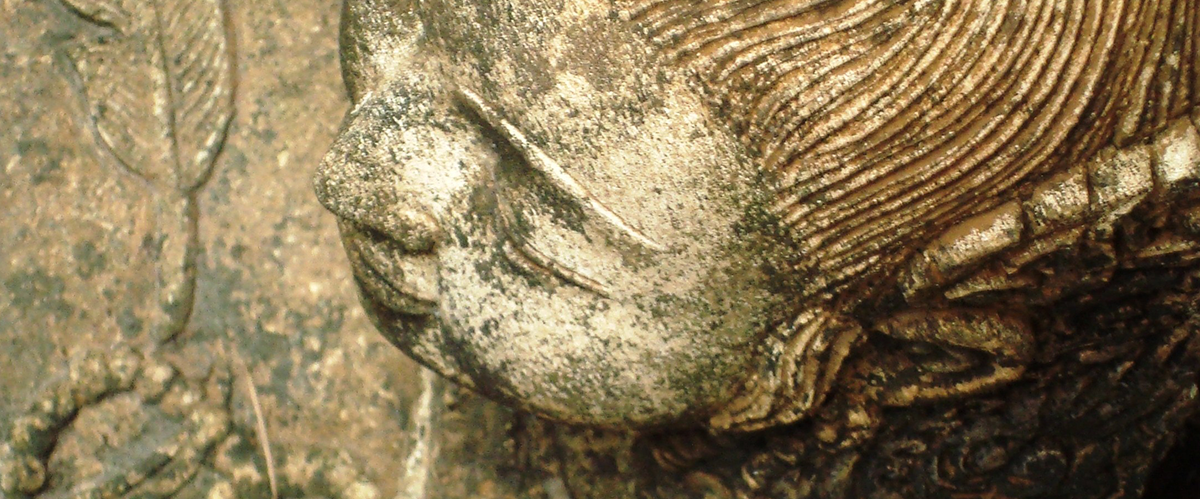
It is a picturesque rock temple built in the 3rd century BC. The beautiful stone sculptures seen at the temple are considered the most beautiful works of art in Anuradhapura.

GALLE FORT was built first by the Portuguese, then modified by the Dutch during the 17th century. Even today, after 400 years of existence, it looks new and polished with reconstruction work done by Archaeological Department of Sri Lanka. Today Sri Lankan government and many Dutch people who still own some of the properties inside the fort are looking at making this one of the modern wonders of the world.


GADALADENIYA VIHARAYA (ROCK TEMPLE) Built almost exclusively of stone in 1344 by the Gampola King Wickramabahu, situated on a hilltop, commanding views of the surrounding countryside. The architecture is Dravidian. The entrance porch features large stone pillars, which support a roof of huge stone slabs. Within the Vihara, an ancient stone and plaster Buddha image looks down upon milk rice pots that have collected food offerings for centuries. The 638-year-Old jack wood doors still exhibit their original paintings. Gadaladeniya is situated at Pilimatalawa on Kandy Colombo Road , just Passing Kadugannawa.

EMBEKKE DEVALAYA, KANDY is a wooden temple situated in the Ambakka village, three kilometers from the Peradeniya Botanical Gardens. It was built in the 14th century by King Wickremabahu III. Adjacent to the main temple in the Embekke Devalaya, Kandy is a digge and inside the temple there is a courtyard where originally the hewisi were played. There are many legends which tell how the 'devale' or the 'devalaya' came into existence. It is the popular belief that one of the king's consorts named Henakanda Biso Bandara, in association with a drummer named as Rangama were the founders of the devale. They had a dream in which Lord Kataragama appeared and therefore this three-storied temple is dedicated to the Lord Kataragama. In the recent years the Embekke Devalaya has become one of the popular tourist destinations in Kandy because of its exquisite

The Aloka Vihara became Aluvihara. Folklore has many meanings to the name Aluvihara. One is that the Pali word Aloka was Alu (light) in ancient Sinhala and as it was the abode of Theras, it was a Viharaya. Hence the two words have been coined to make it Aluvihara. Another view is that although there is a huge rock, east of the main rock cave, it has not cut off the light. Therefore it was known as the Aloka lena (cave with light). Surrounded by hills, the famous Aluvihara cave temple 30 km south of Kandy on the Matale-Dambulla road is of great historic importance. The history of Aluvihara is traced back to the 3rd Century B.C in the reign of King Devanampiyatissa. It is believed that the King built the dagoba and planted the Bo sapling.

The AUKANA BUDDHA is a colossal 12 meter tall figure of Lord Buddha and is located off Kekirawa in the north central province of Sri Lanka. It is regarded as the tallest Buddha statue in the island, and after the destruction of the Bamiyan Buddha statues in Afghanistan the Aukana Buddha statue hails much more fame than it held before of being one of the most beautifully carved statues of the world.


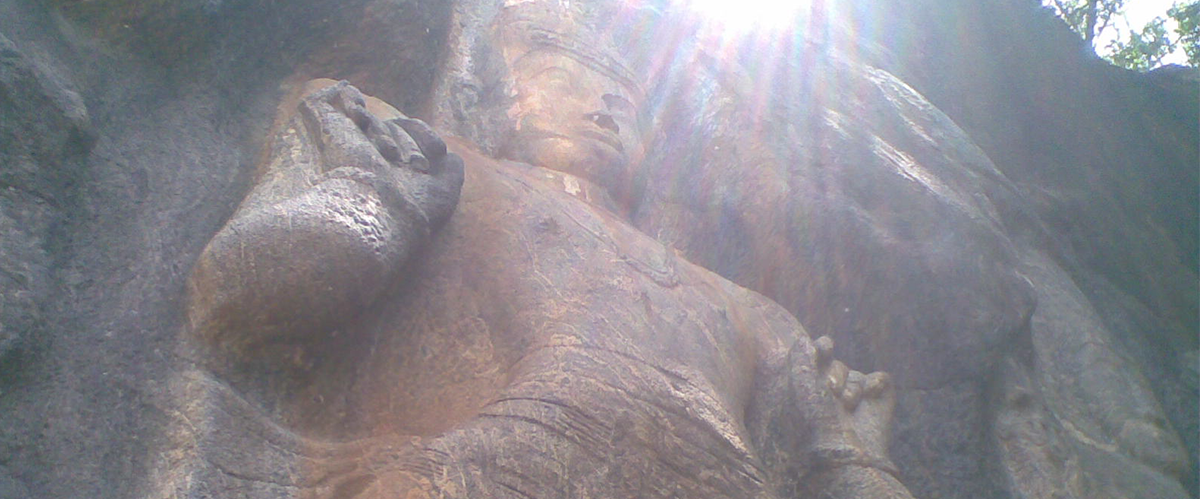
The BUDURUWAGALA is located 5km south of Wellawaya. Literally it means images of Buddha. The complex consists of seven statues and belongs to the Mahayana school of thought. The statues date back to 10 century AD. The gigantic Buddha statue still bears traces of its original stuccoed robe and a long streak of orange suggests it was once brightly painted. The central of the three figures to the Buddha's right is thought to be the Buddhist mythological figure-the Bodhisattva Avalokitesvara. To the left of this white painted figure is a female figure in the thrice-bent posture, which is thought to be his consort-Tara.


Copyright @ 2014 DelairTravels(Pvt) Ltd.
All Rights Reserved

